Become a Helper in Spain
Offer practical help locally — on your own terms.
Join Trusted Help Spain as an independent helper and make it easier for people in your area to find you for practical, non-medical support.
Choose the help you offer, set your own availability and rates, and make agreements directly with the people you help.
On this page
Top * Services * Preview requests * Who * How to * Verification * Register
Why become a helper with Trusted Help Spain?
Set Your Own Rates and Availability
You decide when you are available, what practical help you offer and what you charge.
Build Trust Before People Contact You
Your helper profile shows relevant verification information, experience and practical details so seekers can make a more informed choice.
Connect With People Looking for Local Help
Become visible to seekers in your area and respond to suitable published help requests.
What kind of help can you offer in Spain?
Providers can offer practical, non-medical help or selected specialist business services within clear platform boundaries.
Trusted Help Spain is not a care provider, employer, emergency service or agency. Medical care, personal care and crisis support are excluded. Specialist services may require additional business, licence, insurance or sector-specific checks.
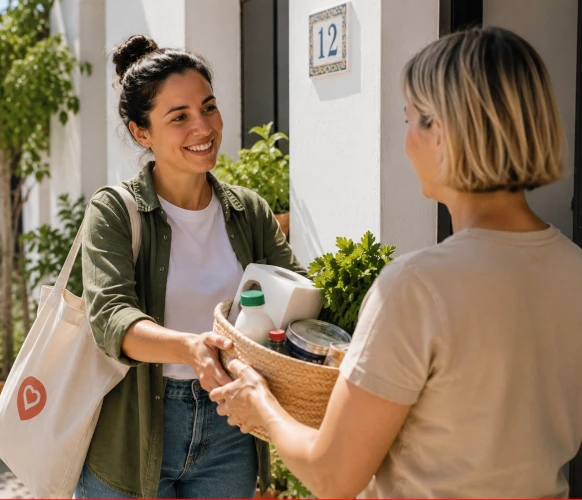
Shopping and errands
Companionship
Nanny and family help
Pet help
Light garden help
Appointment support
Language help
Check-ins
Handyman-style help
Daily practical support
Specialist Business Services
Removals, Transport & Storage Services • Food, Baking & Catering Services • Property Rental, Keyholding & Guest Services • Relocation & Settling-in Services • Licensed Passenger Transport & Airport Transfers • Vehicle Services • Beauty & Wellness Services
Providers must hold any registrations, licences and insurance required for the services they offer.
All services must stay within Trusted Help Spain’s practical, non-medical boundaries. Regulated, medical, personal care and unsafe work are not permitted.
View Local Help Requests
Approved helpers can view published help requests from seekers and respond when a request matches their location, experience and availability.
Requests can include practical support with errands, appointments, pets, language help, companionship, check-ins or other allowed everyday tasks. Personal contact details are not displayed in the request.
No public help request previews are available yet.
Who can become a helper in Spain?
A helper can be a reliable individual, autónomo or local business that wants to offer practical support or an approved specialist service in Spain.
Helpers remain independent and are responsible for any tax, registration, insurance, licensing or legal requirements that apply to the services they offer.
Trusted Help Spain may be suitable for:
- International residents who want to help others locally
- Spanish residents who speak more than one language
- Retired people with time, experience or local knowledge
- Autónomos and local businesses offering suitable services
- People already providing practical local help
- People with relevant skills, experience or community knowledge
- Responsible local people who want to build trust through a reviewed profile
The most important qualities are reliability, honesty, respectful communication and a clear understanding of your own boundaries and the platform rules.
How to become a helper in Spain
Becoming a helper starts with registration and verification. After approval and membership activation, you can create your helper profile, which is reviewed before it becomes visible to seekers.
1. Register as a helper
Create your helper account and provide the basic information we need to start your application.
2. Complete verification
Take part in a short video verification and show your ID. We may also review relevant references or your online presence where appropriate.
3. Wait for approval
We review your application and verification before approving you as a helper.
4. Activate your helper membership
Once approved, activate your helper membership using the payment option provided by Trusted Help Spain.
5. Create and publish your helper profile
Add the practical services you offer, your service area, availability and other relevant profile information.
6. Profile review and publication
We review your completed profile before it goes live. Once approved, it becomes visible to seekers on Trusted Help Spain.
Are helpers employed by Trusted Help Spain?
No. Helpers are independent users of the platform and are not employed by Trusted Help Spain.
Helpers choose their own availability, rates and payment methods, and decide which requests they want to accept.
Trusted Help Spain provides the platform, verification process and visibility, but does not manage the work, set helper rates or pay helpers for the help they provide. The actual agreement is made directly between the helper and the person seeking help.
Can helpers set their own rates?
Yes. Helpers set their own rates and agree payment directly with the seeker. Trusted Help Spain does not set prices or take a commission from the help provided.
Helpers should make any expected costs clear before the help takes place, including their rate and any relevant travel or material costs.
How does helper verification in Spain work?
Before a helper profile can become visible, Trusted Help Spain reviews the helper and their application.
The verification process includes a short video intake and showing a valid ID. Trusted Help Spain does not store ID numbers or copies of identity documents.
Depending on the helper and the services offered, we may also review references and relevant publicly available online information.
Helpers must also agree to the Trusted Help Spain Code of Conduct and stay within the platform’s practical, non-medical boundaries.
Want to know exactly how verification works?
Read about helper verification and safety.
What kind of help is not allowed?
Trusted Help Spain is for practical, non-medical support. Helpers must not offer services that fall outside the platform’s safety boundaries.
This includes:
- Medical care, treatment or medication support
- Personal care or intimate care
- Therapy, counselling or crisis support
- Regulated services without the required qualifications or licences
- Heavy cleaning
- High-risk, dangerous or specialist work outside the platform’s scope
- Legal, financial or medical representation.
If a service requires professional regulation, specialist licensing or involves significant safety risk, it may not be suitable for Trusted Help Spain.
What are helpers responsible for?
Helpers remain responsible for the help they offer and for acting safely, honestly and professionally.
As a helper, you are expected to:
- Provide accurate and up-to-date profile information
- Only accept requests you can handle safely and reliably
- Be clear about your rates, costs, availability and boundaries
- Respond to genuine requests, even if you are unavailable or need to decline
- Respect privacy and keep agreements
- Stay within the allowed help categories and Code of Conduct
- Manage any tax, insurance, registration or legal obligations that apply to you
- Report unsafe or inappropriate situations to Trusted Help Spain
Why use Trusted Help Spain instead of Facebook groups?
Facebook groups can be useful, but it is often difficult to know who you are dealing with before making contact.
Trusted Help Spain gives helpers a dedicated profile where relevant verification information, services and practical details can be shown clearly.
For helpers, that means:
- A more structured way to present your services
- More trust before the first contact
- Better visibility to people actively looking for practical help
- Less dependence on temporary social media posts
- Direct agreements with seekers, without commission on the help provided
Where can helpers become visible?
Trusted Help Spain is launching first across the Costa Blanca, with helpers becoming visible by local area so seekers can find relevant support nearby.
The platform can expand into other parts of Spain as enough suitable helpers and local demand develop.
If your area is not active yet, you can still register your interest so we know where demand is growing.
Is there a cost to become a helper?
Yes. Trusted Help Spain uses a low-cost membership model for helpers. There is no commission on the help you provide, so the money you agree with a seeker stays between you and the seeker.
Early Access pricing until 31 December 2026:
€2 per month, or
€24 for 12 months
Standard pricing from January 2027:
€7.95 per month, or
€69 per year
You choose the membership option that suits you. Trusted Help Spain does not take a percentage of your earnings or process payments between you and the people you help.
Can becoming a helper help you earn money in Spain?
Yes. Becoming a helper can give you a practical way to earn extra income by offering services people in your area are actively looking for. You set your own rates, choose when you are available and make agreements directly with seekers.
Trusted Help Spain helps you build trust and become easier to find, without taking commission from what you earn. The amount you earn will depend on demand, your availability and the services you offer.
What makes a good helper profile?
A strong helper profile makes it easy for seekers to understand who you are, what you offer and whether you are a good fit for their needs.
A good profile should clearly explain:
- The help or services you offer
- The areas you cover
- Your experience, skills or relevant background
- Your availability
- The languages you speak
- Any practical limits or boundaries
- What makes your approach reliable and helpful
Keep your profile specific, honest and easy to understand. Clear information helps build trust before a seeker contacts you.
Ready to become a helper in Spain?
Create your helper account and start the verification process. Once approved, you can activate your membership, create your profile and become visible to people looking for practical help in your area.